
- Products
- Solutions
- Customization
- About
- Resources
- Contact
- Request A Quote

When choosing a lithium-ion battery for power tools or other equipment, many users focus only on voltage or amp-hours. However, this simplified view often leads to confusion and poor purchasing decisions. In reality, battery performance depends on a combination of factors, including voltage, capacity, and total energy. Understanding these key parameters helps users select the right battery, improve efficiency, and avoid unnecessary costs. This guide explains how lithium-ion batteries work and how to evaluate them correctly for real-world applications.
To better understand performance, it is important to start with the basics. A lithium-ion battery is a rechargeable battery that stores and releases energy through the movement of lithium ions between the positive and negative electrodes. The main components include the cathode, anode, separator, and electrolyte.
During charging, lithium ions move from the cathode to the anode. During discharge, they move back, generating electrical energy. Because of this mechanism, lithium-ion batteries offer high energy density, long cycle life, and low maintenance, making them widely used in cordless tools, electric vehicles, and energy storage systems.
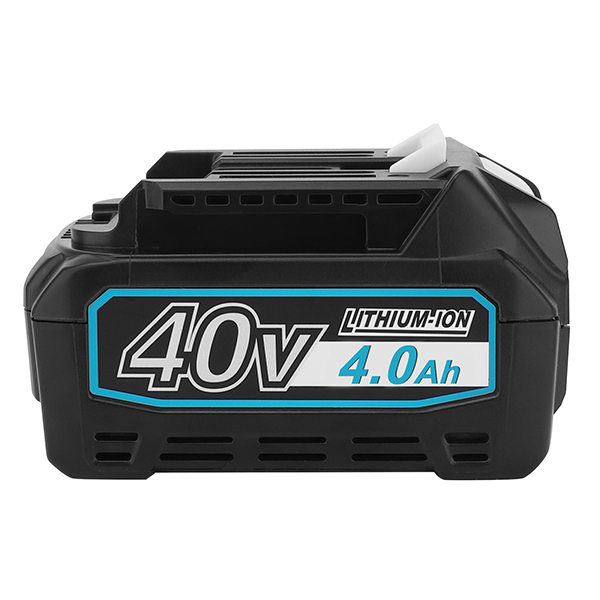
When evaluating battery performance, voltage is often seen as a measure of power. In simple terms, voltage determines how much force the battery can deliver to a tool. Higher voltage batteries can support heavier loads and more demanding tasks.
From a structural perspective, voltage is created by connecting battery cells in series. Each lithium-ion cell typically has a nominal voltage of around 3.6V. By combining multiple cells, manufacturers create common platforms such as 12V, 18V, or 36V.
It is also important to understand the difference between nominal voltage and maximum voltage. For example, an 18V battery may be labeled as 20V Max when fully charged. This is not misleading but simply reflects two different ways of describing the same system. For users, the key is to ensure compatibility with their tools rather than focusing only on labeling.
While voltage determines power, amp-hours (Ah) indicate how long a battery can run. In other words, Ah represents the battery’s storage capacity. A higher Ah rating generally means longer runtime, but the actual usage time depends on how much current the tool draws.
From a design standpoint, capacity is increased by connecting cells in parallel. This allows the battery to store more energy without changing its voltage. For example, a 5.0Ah battery will typically last longer than a 3.0Ah battery under the same working conditions.
However, it is important to note that runtime is not fixed. Under heavy loads, the battery will drain faster. Under lighter loads, it will last longer. Therefore, selecting the right capacity depends on the intensity and duration of the task.
Although voltage and Ah are important, neither alone tells the full story. The most accurate way to measure battery capability is watt-hours (Wh), which represent total energy. The formula is simple:
Watt-hours (Wh) = Voltage × Amp-hours (Ah)
This value shows how much energy a battery can deliver in total. For example, two batteries with different voltage and Ah ratings may have the same Wh, meaning they store the same amount of energy but deliver it differently.
This explains why higher voltage does not always mean longer runtime, and higher Ah does not always mean more power. For buyers comparing different lithium-ion batteries, Wh provides a more reliable basis for evaluation.
To better understand how batteries are built, it is useful to look at series and parallel configurations. In a battery pack, cells are combined in two main ways. Series connections increase voltage, while parallel connections increase capacity. Most modern battery packs use a combination of both. For example, a common configuration like 5S2P means five cells in series and two sets in parallel.
This flexible design allows manufacturers to create batteries tailored for specific applications. For B2B buyers and OEM customers, understanding these configurations is essential when selecting or customizing a lithium-ion battery pack.
While specifications provide useful guidance, actual battery performance depends on real-world conditions. Temperature is one of the most important factors. Extremely high or low temperatures can reduce efficiency and shorten battery life.
In addition, the quality of the battery cells plays a major role. Differences in materials, internal resistance, and manufacturing processes can lead to noticeable variations in performance.
Another critical element is the Battery Management System (BMS). A well-designed BMS protects the battery from overcharging, over-discharging, and overheating. It also helps maintain stable output during operation. Without proper BMS control, even a high-capacity battery may not perform reliably.
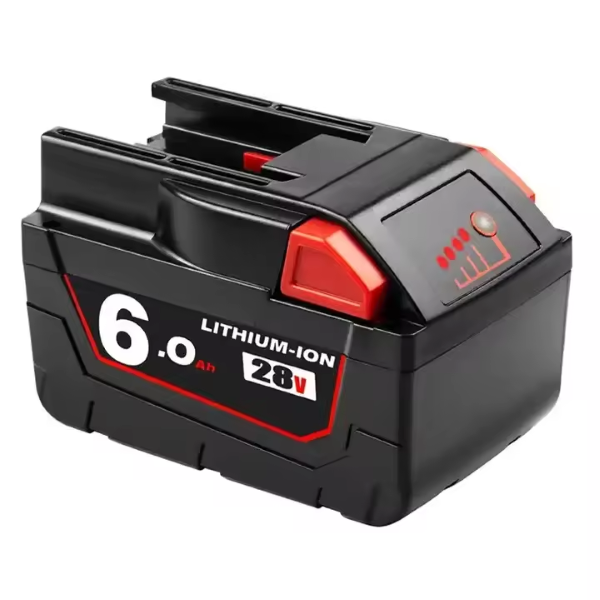
When selecting a lithium-ion battery, it is important to follow a clear process. First, ensure that the voltage matches your tool or system. Using the wrong voltage can lead to poor performance or safety issues.
Next, choose the appropriate Ah based on your usage needs. For light tasks, a lower capacity battery may be sufficient. For heavy-duty applications, a higher capacity battery will provide longer runtime and better stability.
Finally, compare watt-hours to understand the total energy available. This helps avoid misleading comparisons based only on voltage or Ah. By considering all three factors—voltage, capacity, and energy—you can make a more informed decision.
In summary, lithium-ion battery performance is not defined by a single parameter. Voltage determines power, amp-hours determine runtime, and watt-hours represent total energy. These factors work together to shape real-world performance.
For users and buyers, the key is to look beyond simple labels and evaluate batteries based on actual application needs. By understanding how lithium-ion batteries are designed and how they perform under different conditions, you can select a solution that delivers both efficiency and reliability.
If you are looking for a reliable lithium-ion battery solution, RHY Battery offers professional support for a wide range of applications. As an experienced lithium-ion battery manufacturer, RHY Battery provides high-quality battery packs with stable performance, advanced BMS protection, and flexible customization options.
Whether you need batteries for power tools, industrial equipment, or energy storage systems, RHY Battery can help you find the right solution. Contact RHY Battery today to discuss your requirements and get a tailored battery solution that meets your business needs.


