
- Products
- Solutions
- Customization
- About
- Resources
- Contact
- Request A Quote

Lithium-ion battery technology has become one of the most widely used energy storage solutions in modern electronics and industrial equipment. Li-ion battery packs are commonly used in power tools, electric vehicles, energy storage systems, and portable devices because they offer high energy density and stable performance.
In simple terms, a Li-ion battery pack is made of several key parts, including battery cells, a battery management system (BMS), electrical connections, and a protective housing. Among these components, the internal structure of the battery cell plays a major role in determining the overall capacity and efficiency of the pack. Therefore, understanding the parameters used in cell design is essential for improving battery performance.
Before discussing the design parameters, it is helpful to first understand the basic structure of a lithium-ion battery cell. A typical cell contains several important elements that work together to store and release electrical energy.
These main components include the cathode, anode, separator, electrolyte, and current collectors. The cathode and anode are coated with active materials that allow lithium ions to move between the two electrodes during charging and discharging. The separator keeps the electrodes apart while still allowing ions to pass through the electrolyte.
In addition, thin metal foils are used as current collectors. Aluminum foil is usually used for the cathode, while copper foil is used for the anode. These materials help conduct electrical current efficiently through the battery cell.
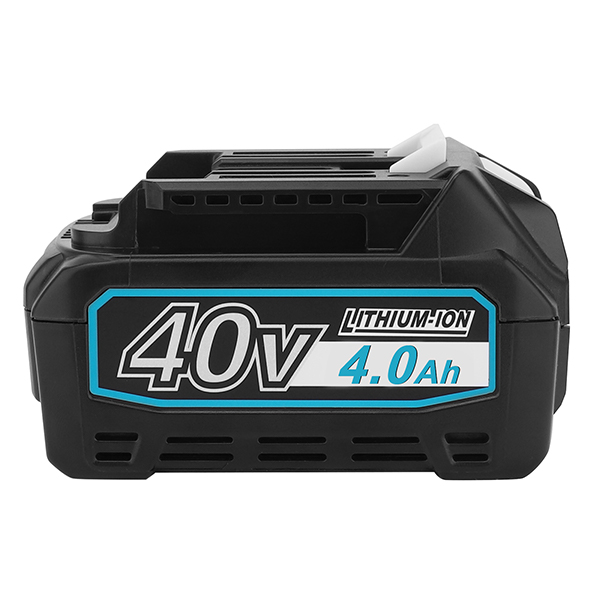
Next, one of the most important parameters in electrode design is areal density. Areal density refers to the amount of electrode material distributed over a certain surface area. It is usually measured in milligrams per square centimeter (mg/cm²).
In practice, areal density represents the mass of active material coated on a unit area of the electrode. A higher areal density generally means that more active material is present, which can contribute to higher battery capacity.
In most lithium battery manufacturing processes, the electrodes are coated on both sides of the metal foil. Therefore, engineers often refer to double-sided areal density when designing battery cells. By controlling this parameter carefully, manufacturers can balance battery capacity, energy density, and internal resistance.
In addition to areal density, another important parameter is compaction density. Compaction density describes the mass of material contained within a certain volume of the electrode coating. It is usually measured in grams per cubic centimeter (g/cm³).
This value is strongly influenced by the physical properties of the electrode materials and the manufacturing process. During production, a step called calendering compresses the coated electrode to achieve the desired density and thickness.
Higher compaction density can improve electrical contact between particles and reduce internal resistance. However, the value must be carefully controlled because excessive compression may affect the movement of lithium ions inside the electrode.
Another important factor to consider is electrode thickness. This refers to the thickness of the coated material layer on the electrode. Thickness is usually measured in micrometers (μm).
In general, electrode thickness can be described in two ways. One refers only to the coating layer made of active material, while the other includes the total thickness with the metal foil current collector. Both measurements are useful during battery design and manufacturing.
The thickness of the electrode influences several aspects of battery performance. For example, thicker electrodes can store more active material and potentially increase energy density. However, very thick electrodes may also increase the distance lithium ions need to travel, which can affect charging and discharging efficiency.
When designing lithium battery electrodes, engineers rely on a clear relationship between these three parameters. Areal density, compaction density, and electrode thickness are mathematically connected.
The basic relationship can be expressed as follows:
This formula allows engineers to estimate one parameter when the other two are known. By adjusting these values, manufacturers can design electrodes that meet specific performance requirements.
To better understand this relationship, consider a simple example used in electrode design.
Suppose a battery electrode has a double-sided areal density of 30 mg/cm² and a compaction density of 2.5 g/cm³. Using the relationship above, engineers can calculate the electrode thickness.
After converting the units properly and applying the formula, the resulting coating thickness is approximately 120 micrometers (μm). It is important to note that this value represents the thickness of the electrode coating only and does not include the thickness of the metal foil.
This calculation helps engineers verify whether the electrode structure meets the required design specifications.
Once the electrode parameters are determined, their effects extend to the performance of the entire battery pack. In fact, the internal structure of the electrode directly affects several key characteristics of lithium batteries.
First, these parameters influence the energy density of the battery. A well-balanced electrode structure can increase the amount of energy stored within the same physical space. Second, they also affect charge and discharge efficiency, since lithium ions must move through the electrode material during operation.
Additionally, electrode design can influence thermal performance, cycle life, and overall stability. For this reason, careful control of areal density, compaction density, and thickness is essential in modern lithium battery manufacturing.
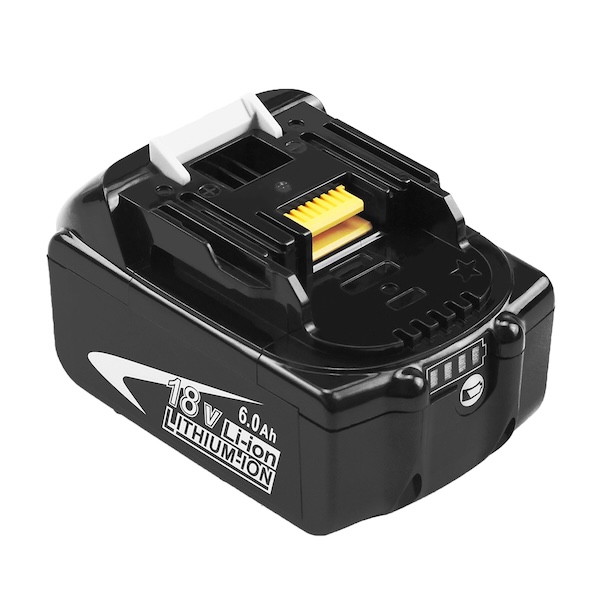
In real production environments, engineers must balance several factors when designing electrodes. While higher density materials may increase energy capacity, they must also maintain stable ion transport and structural integrity.
Manufacturers therefore use precise coating equipment and calendering machines to ensure consistent electrode quality. At the same time, strict quality control procedures are applied to maintain uniformity across battery cells.
By controlling these parameters carefully, manufacturers can produce battery packs that deliver stable performance, reliable safety, and long service life.
In summary, the design of lithium-ion battery electrodes depends heavily on the relationship between areal density, compaction density, and electrode thickness. These parameters are closely connected and play a key role in determining the capacity, efficiency, and stability of battery cells.
Understanding these relationships helps engineers optimize battery structure and improve the performance of Li-ion battery packs used in a wide range of applications.
If you are looking for a reliable Li-ion battery packs supplier, RHY Battery offers professional battery solutions for various industries. As an experienced manufacturer, RHY Battery focuses on high-quality battery design, stable production processes, and dependable performance to support customers worldwide. Contact RHY Battery today to learn more about customized lithium battery solutions for your projects.


