
- Products
- Solutions
- Customization
- About
- Resources
- Contact
- Request A Quote

Choosing the right cordless battery is essential for getting the best performance, safety, and service life from your power tools. Whether you are replacing an old battery or buying extra batteries for daily work, the wrong choice can lead to poor runtime, overheating, or even tool damage. To help you make a clear and confident decision, this cordless battery buying guide explains the key battery types, technical terms, and practical considerations you should understand before purchasing.
To begin with, the battery is the core power source of any cordless tool. Its specifications directly affect how strong the tool performs, how long it can run, and how safely it operates. When a battery is not properly matched to the tool, users may experience frequent shutdowns, reduced power output, or shortened battery life. For professional users, these issues can lead to downtime and higher long-term costs. Therefore, understanding cordless battery selection is not optional—it is a practical requirement.
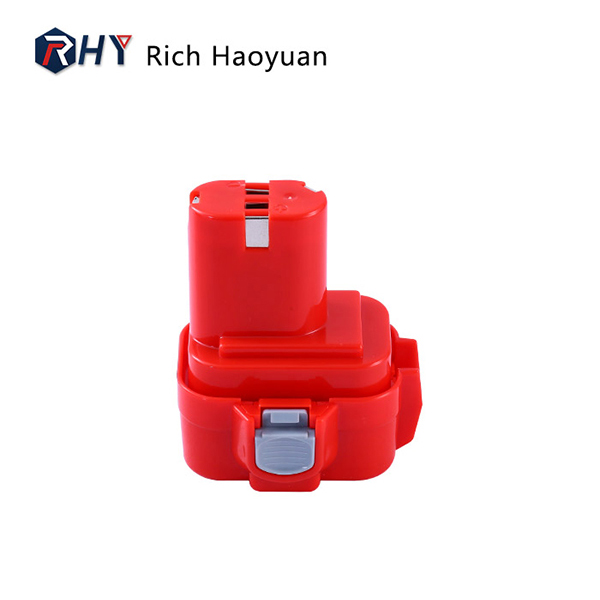
Before comparing specifications, it is important to understand the common battery chemistries used in cordless power tools.
Currently, lithium-ion batteries are the most widely used type in modern cordless tools. They are known for high energy density, lighter weight, and faster charging times. In addition, lithium-ion batteries do not suffer from memory effect, which helps maintain consistent capacity over repeated charge cycles. As a result, they are suitable for light-duty, medium-duty, and heavy-duty applications across many industries.
Nickel-cadmium batteries are more common in older power tools. They are durable and resistant to physical impact, making them suitable for rough environments. However, NiCd batteries can experience memory effect and usually require more careful charging habits. Due to environmental concerns and lower energy efficiency, they are gradually being replaced by lithium-ion options.
Nickel-metal hydride batteries were developed as an improvement over NiCd batteries. They have a lower memory effect and higher energy capacity than NiCd. That said, NiMH batteries are less common in today’s cordless power tool market and are mainly found in specific light-duty applications.
Once you understand battery types, the next step is learning the key technical terms that influence performance.
Voltage determines the power level a cordless tool can deliver. Higher voltage batteries provide more power, which is useful for heavy-duty tasks such as drilling or cutting dense materials. On the other hand, lower voltage batteries are typically lighter and better suited for compact tools. Importantly, the battery voltage must match the tool’s design voltage to ensure safe and proper operation.
Battery capacity is measured in amp-hours (Ah) and indicates how much energy the battery can store. A higher Ah rating means longer runtime before recharging is needed. However, higher-capacity batteries are also heavier and larger. Therefore, users should balance runtime needs with comfort and tool handling requirements.
Memory effect occurs when certain battery types gradually lose usable capacity if they are repeatedly recharged without being fully discharged. This effect mainly applies to older battery chemistries such as NiCd. Lithium-ion batteries do not have this issue, which is one reason they are preferred for modern cordless tools.
To better understand how different batteries perform in real-world applications, the following comparison highlights key characteristics:
This comparison helps users quickly identify which battery type best fits their workload.
Different tasks place different demands on batteries. For light-duty or DIY use, lower Ah batteries may be sufficient and easier to handle. In contrast, professional and high-frequency applications benefit from higher Ah batteries that reduce downtime caused by frequent recharging. For continuous or industrial use, battery stability and consistent output are especially important, making quality and battery management systems critical factors.
Another key consideration is compatibility. Cordless batteries are usually designed for specific brands and battery platforms. Even if a battery appears to fit physically, mismatched voltage, communication systems, or connectors can cause performance issues or safety risks. For this reason, users should always confirm brand, series, and voltage compatibility before purchasing a replacement battery.
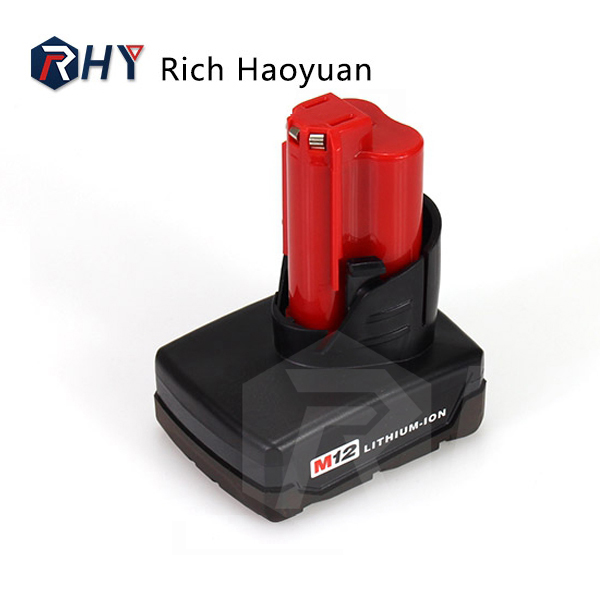
Original equipment manufacturer (OEM) batteries are designed and tested to work with specific tools and chargers. They are often certified by independent testing organizations to meet safety standards. While aftermarket batteries may offer cost advantages, users should carefully evaluate quality, certifications, and application requirements, especially for professional or high-demand use.
Battery chargers play a major role in overall performance. Sequential chargers charge one battery at a time, while simultaneous chargers can charge multiple batteries at once. Charging speed depends on the charger’s output rating and the battery’s capacity. Higher Ah batteries naturally take longer to charge, so matching charger capability with battery size is essential for minimizing downtime.
To maintain productivity, many users keep extra batteries on hand. Combo kits that include tools, batteries, and chargers can be cost-effective for new setups, while bare tools are suitable when compatible batteries are already available. Additional system features, such as charge indicators and temperature protection, also help users monitor battery status during daily work.
Common mistakes include choosing batteries based only on capacity, ignoring weight, selecting incompatible voltage levels, or overlooking charger performance. Avoiding these issues can significantly improve tool efficiency and battery lifespan.
Before making a purchase, confirm that the battery matches your tool’s voltage, meets your runtime needs, fits your working conditions, and complies with relevant safety standards. This checklist helps ensure a reliable and cost-effective choice.
Selecting the right cordless battery can make a real difference in performance, safety, and long-term value. RHY Battery provides reliable cordless battery solutions designed to meet professional application needs. If you are looking for technical guidance, compatible replacement batteries, or support for bulk purchasing, contact RHY Battery today to discuss the right battery solution for your tools and projects.


