
- Products
- Solutions
- Customization
- About
- Resources
- Contact
- Request A Quote

Lithium battery packs have become essential power solutions for various applications, including power tools, garden tools, vacuum cleaners, e-bikes, portable equipment, and small industrial devices. As these applications continue to develop, users and manufacturers are demanding batteries with better performance, longer runtime, and higher reliability to meet different operating requirements.
Since different devices have different designs and working conditions, a standard battery solution cannot always provide the best fit. Custom battery packs are designed to meet specific requirements, including battery size, voltage, capacity, discharge performance, and operating environments. Without proper testing and validation, issues such as reduced battery life, unstable performance, safety risks, and product failures may occur.
Custom battery pack testing helps manufacturers verify battery safety, performance, and durability before mass production. This guide covers the key testing processes, including battery cell testing, BMS testing, performance testing, reliability evaluation, and how to choose a reliable battery supplier.
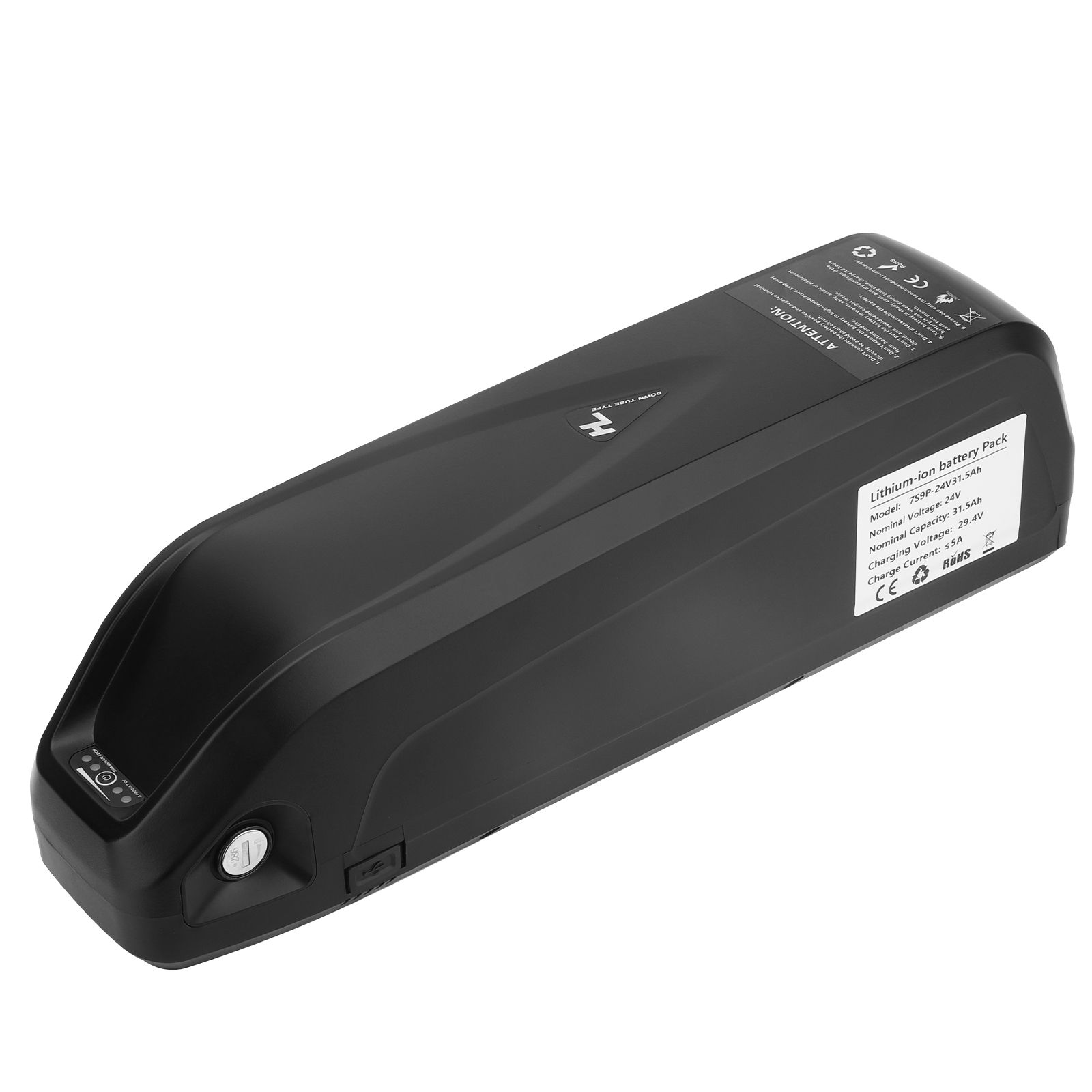
A custom lithium battery pack is designed for specific applications, making testing essential to ensure safety, performance, and reliability. Safety tests verify protection functions such as overcharge, over-discharge, short-circuit, and temperature control to reduce risks and extend battery life. Performance testing evaluates capacity, voltage, charging, and discharge performance to ensure stable output and longer runtime. For OEM manufacturers, battery testing also helps identify defects and design issues, reducing product failures, warranty costs, and improving customer satisfaction.
A complete battery testing process evaluates different aspects of a lithium battery pack, from individual cells to the complete system. Each test helps verify battery quality, safety, and performance before production.
|
Testing Type |
Purpose |
What Is Tested |
|
Cell Testing |
Ensure cell quality |
Capacity, voltage, internal resistance |
|
BMS Testing |
Verify protection functions |
Current, temperature, charging protection |
|
Performance Testing |
Confirm output capability |
Runtime, charging, discharging |
|
Cycle Life Testing |
Evaluate durability |
Charge and discharge cycles |
|
Safety Testing |
Prevent potential risks |
Short circuit, overheating protection |
Each test plays an important role in ensuring the battery pack delivers stable, safe, and reliable performance for different applications.
Battery cells are the core components that determine the performance of a custom battery pack. Proper cell testing ensures that each cell meets quality requirements before assembly.
Capacity Testing:
Capacity testing measures the actual energy storage capability of battery cells. It helps verify rated capacity and runtime performance, ensuring the battery can provide sufficient power for specific applications.
Voltage and Internal Resistance Testing:
These tests check the electrical consistency between cells. By maintaining better cell balance, manufacturers can achieve more stable power output and improved battery performance.
Aging and Quality Inspection:
Cell aging tests identify potential performance issues before production. Testing includes charging and discharging cycles, temperature monitoring, and stability evaluation to ensure long-term reliability.
High-quality cell testing ensures every battery pack starts with reliable components and consistent performance.
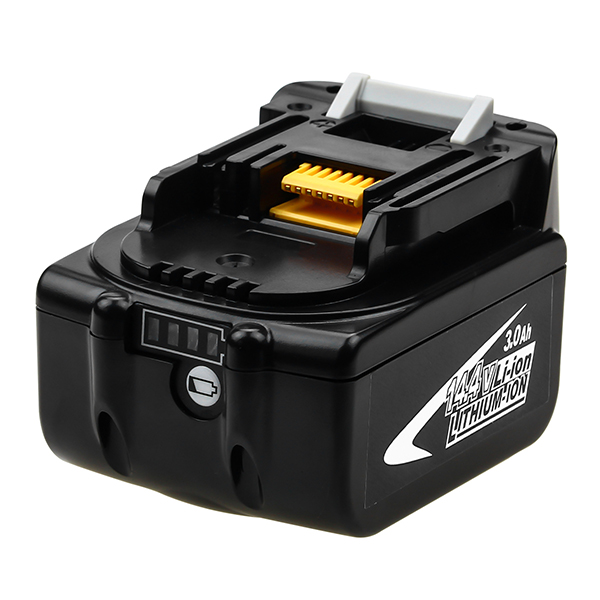
The BMS is the intelligent control system of a lithium battery pack. Proper testing ensures protection and monitoring functions work correctly.
Protection Function Testing:
BMS testing verifies overcharge, over-discharge, over-current, and short-circuit protection to prevent battery damage and safety risks.
Temperature Monitoring Testing:
Temperature testing ensures the battery operates safely under different conditions by monitoring temperature changes and maintaining stable performance.
Communication and Control Testing:
For smart batteries, BMS testing checks data accuracy, battery status monitoring, and system communication.
A reliable BMS improves battery safety, extends lifespan, and enhances overall performance.
Performance and reliability testing helps verify whether a custom battery pack can maintain stable operation in real-world applications.
Charging and Discharging Tests:
These tests evaluate daily battery performance, including charging speed, discharge current, and voltage stability. They are especially important for power tools, garden tools, and e-bikes that require consistent power output.
Cycle Life Testing:
Cycle testing evaluates long-term durability by measuring capacity retention, battery aging, and performance changes over repeated charge and discharge cycles. It helps extend service life and reduce replacement costs.
Environmental Testing:
Battery packs may operate in challenging conditions. Environmental tests simulate high temperature, low temperature, vibration, and humidity to ensure reliable performance in different applications.
Testing is not limited to the final product. Professional battery manufacturers apply quality control throughout the entire manufacturing process to ensure consistent quality and reliability.
Incoming Material Inspection:
Before production, key materials are inspected, including battery cells, electronic components, connectors, and housing materials to ensure they meet quality requirements.
Production Quality Inspection:
During assembly, manufacturers perform welding inspection, assembly checks, and electrical testing to maintain production consistency.
Final Product Testing:
Before delivery, each battery pack undergoes charging tests, discharging tests, safety inspections, and appearance checks.
A complete quality control system ensures stable performance and reliability across every battery pack.
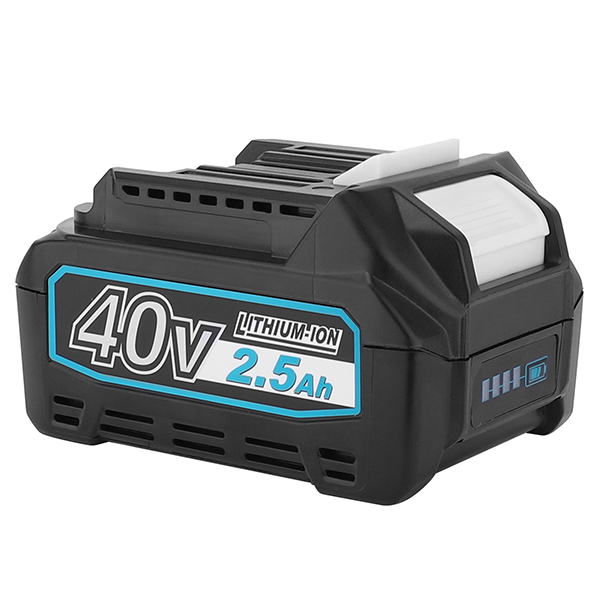
Custom battery pack testing is essential for ensuring battery safety, performance, and reliability. Through comprehensive testing processes, manufacturers can verify battery quality, identify potential issues, reduce production risks, and deliver more dependable power solutions for end users.
For businesses looking for reliable custom lithium battery solutions, RHY provides high-quality battery packs and replacement battery solutions for power tools, garden tools, vacuum cleaners, e-bikes, and other small and medium-sized applications. Contact RHY to get customized battery solutions designed for your specific application needs.


