
- Products
- Solutions
- Customization
- About
- Resources
- Contact
- Request A Quote

When choosing the right battery pack for your power tools, it’s essential to consider factors such as capacity, runtime, weight, and charging efficiency. With various options available in the market, making the right decision can greatly enhance your tool’s performance and overall work efficiency. This guide will break down the key considerations when selecting a battery pack, helping you make an informed choice for your needs.
A battery pack is a crucial component of modern cordless tools, providing power to the motor that operates your equipment. Most power tools use lithium-ion (Li-ion) batteries, known for their high energy density, faster charging, and lighter weight compared to older battery types like nickel-cadmium (NiCd). The battery pack consists of multiple cells connected to deliver a specific voltage and capacity that meets the requirements of the tool it powers. Understanding how the battery pack works is key to selecting the right one for your tools and projects.
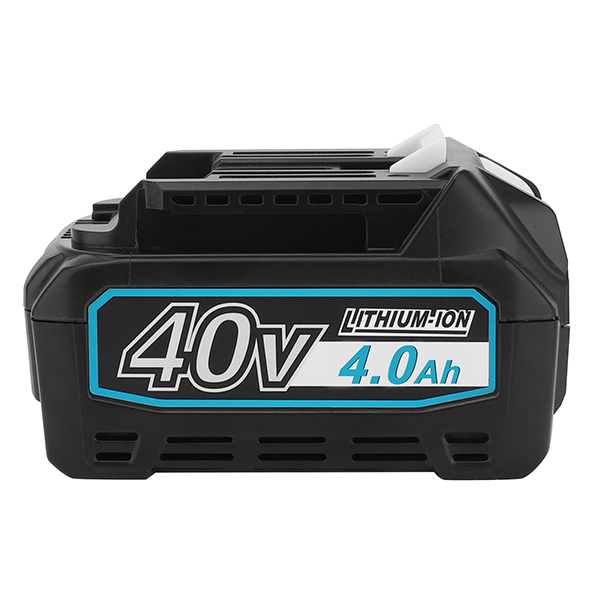
Battery capacity, typically measured in amp-hours (Ah), directly impacts the runtime of your power tool. A higher capacity (e.g., 5.0Ah or 8.0Ah) means the battery can run your tool for a longer period before needing a recharge. For tools that require long, continuous operation—such as lawnmowers, power drills, or saws—choosing a battery with higher capacity will prevent you from constantly stopping to swap out or recharge batteries.
On the other hand, tools used for short bursts of work, like screwdrivers or hand-held drills, may only need a smaller battery (around 2.0Ah or 3.0Ah). While the smaller battery won’t provide as much runtime, it keeps the tool lightweight and compact, which is ideal for simple, quick tasks.
The power output of your battery is influenced by its capacity. Higher-capacity batteries provide more power, making them ideal for demanding tasks. For example, power tools like chainsaws or concrete drills require significant power to function efficiently. A larger battery (e.g., 8.0Ah or 12.0Ah) will deliver the necessary energy for these heavy-duty applications.
In contrast, smaller tools, such as drills or hand-held vacuum cleaners, don’t require as much power and can be paired with a smaller battery (e.g., 2.0Ah or 3.0Ah). Using a smaller battery in these tools not only helps save on weight but also makes the tool easier to handle, especially for long hours of use.
Battery packs vary in size and weight based on their capacity. Larger batteries, like the 8.0Ah or 12.0Ah, offer longer runtime but come at the expense of increased size and weight. For users who prioritize portability and ergonomics, a compact battery such as the 2.0Ah or 3.0Ah might be the best option, even if it provides less runtime.
However, for those who need to run heavy-duty tools for extended periods, the extra weight of a larger battery may be a trade-off worth considering. It’s important to balance the need for longer runtime with the comfort and practicality of using a heavier tool. The key is to find a battery that provides enough power for your specific tasks without compromising tool maneuverability.
How quickly your battery charges and its management system can significantly impact your tool's efficiency. Many modern battery packs, particularly lithium-ion batteries, have built-in charging management systems that ensure safe, efficient charging. Some batteries come equipped with fuel gauges, so you can easily monitor the remaining charge, which helps avoid interruptions during work.
Moreover, consider the charging time for different battery capacities. Larger batteries, such as 8.0Ah or 12.0Ah, typically take longer to charge, while smaller ones (like 2.0Ah or 3.0Ah) are quicker to recharge. If you require fast recharging for continuous work, a fast charger or a quick swap between batteries may be necessary to avoid downtime.
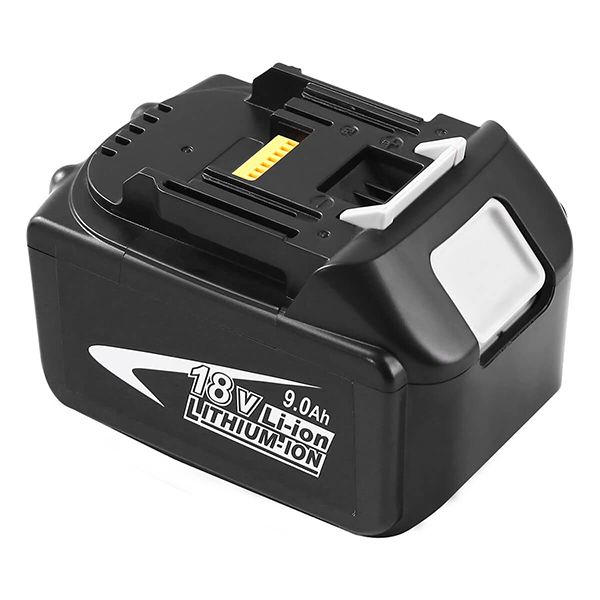
The cost of a battery pack can vary widely depending on its brand, capacity, and features. Generally, higher-capacity batteries, such as 8.0Ah or 12.0Ah, come with a higher price tag, but they offer longer runtime, making them a better choice for professionals or users with heavy-duty needs.
However, if you’re on a budget or only need a battery for light-duty tasks, smaller capacity batteries (like 2.0Ah or 3.0Ah) might be sufficient. In some cases, purchasing a set of multiple smaller batteries may provide more flexibility and cost savings compared to a single larger capacity battery.
It’s important to compare the price per amp-hour to ensure you’re getting good value for your money. Also, look out for combo tool kits that include both tools and batteries, as these often provide more cost-effective solutions for users who need multiple tools in one purchase.
The type of work you do should influence the battery pack you choose. For lighter tasks such as DIY projects around the house, a compact battery like the 2.0Ah or 3.0Ah is often sufficient. These smaller batteries are lightweight, portable, and easy to handle.
For more demanding tasks, such as heavy construction, gardening, or woodworking, higher-capacity batteries like the 8.0Ah or 12.0Ah are ideal. These larger batteries will allow you to complete jobs without needing to frequently recharge or switch out batteries.
Selecting the right battery pack for your power tools requires careful consideration of factors like capacity, power output, weight, and runtime. Smaller batteries are perfect for light-duty tasks, while larger batteries are ideal for heavy-duty, long-duration applications. Ultimately, the best choice depends on the specific tools you’re using and the nature of the work you plan to do.
If you’re looking for high-quality replacement or additional battery packs, consider investing in batteries that match your needs. Whether you need a compact option for DIY projects or a powerful, long-lasting battery for professional tasks, selecting the right battery will maximize your tool's performance and efficiency.
For all your power tool battery needs, visit RHY Battery for top-quality products and reliable performance. Explore our wide selection of compatible battery packs and ensure your tools are always ready to perform at their best.


